
One trusted data warehouse, connected to every system that matters.
A single, trusted data foundation for reporting and analytics.

Overview
Placeholder overview: we design and build enterprise data warehouses that bring ERP, CRM, operational and financial data together into a single, governed source of truth — so reporting and analytics teams stop reconciling spreadsheets and start trusting the numbers.
What's included
Key capabilities
Data warehouse architecture & design
ETL / ELT pipeline development
Dimensional modeling
Data quality & governance
Historical data migration
Performance tuning & scaling
The impact
What this typically looks like
How we work
Our process
Our process: Assess → Architect → Build → Migrate → Enable
- 1
Assess
Audit current data sources, systems and reporting gaps.
- 2
Architect
Design the target warehouse and data model.
- 3
Build
Develop pipelines, transformations and the warehouse schema.
- 4
Migrate
Bring historical and live data into the new foundation.
- 5
Enable
Connect BI tools and hand over a governed, documented warehouse.
Tech stack
Tools & platforms
- Microsoft Fabric
- Azure Synapse
- SQL Server
- Databricks
- Azure Data Factory
- Power BI
Proof
Related case studies
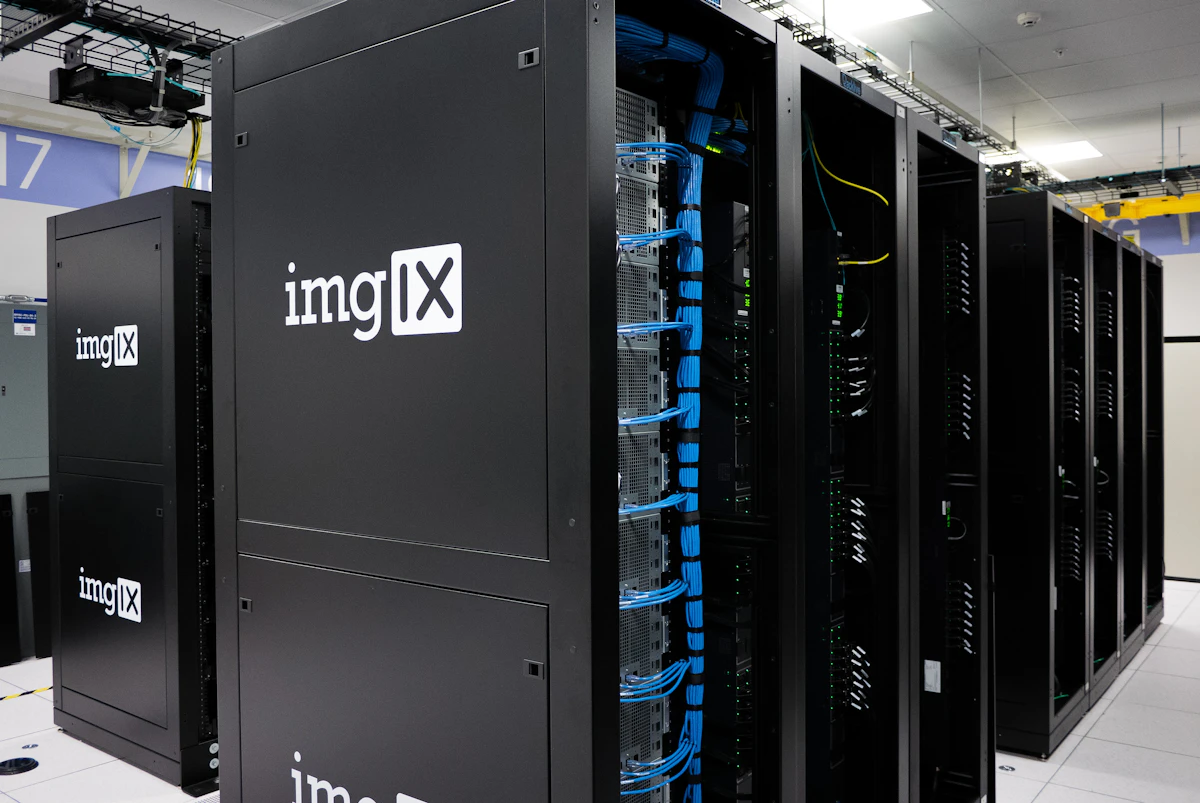
A single, trusted data warehouse for enterprise reporting
Reporting pulled from a dozen source systems with no shared definitions, so every team trusted a different number.
12
Source systems consolidated
Modernizing analytics with Microsoft Fabric
Legacy, siloed data warehouses were slow to query and expensive to maintain across multiple production sites.
50%
Faster dashboard load times

A modern lakehouse architecture replacing five legacy warehouses
Five regional data warehouses had grown independently over a decade, each with its own definitions, refresh schedules and access model — reconciling them for a single group-wide report took days.
5→1
Regional warehouses consolidated into one lakehouse

Migrating from on-premises SQL Server to a governed cloud warehouse
An aging on-premises SQL Server warehouse was expensive to maintain, slow under load and had no documented data lineage — every schema change risked breaking a downstream report.
100%
Legacy on-prem infrastructure decommissioned
FAQ
Frequently asked questions
How long does a data warehouse implementation take?
Placeholder answer — timelines vary by scope and number of source systems.
Can you migrate our existing reporting without downtime?
Placeholder answer — to be replaced with real migration approach details.
Do you support both cloud and on-premises data sources?
Placeholder answer — to be replaced with real platform coverage details.
Get started
Ready to talk about data warehouse?
Tell us about your goals and we'll help you find the right approach.